
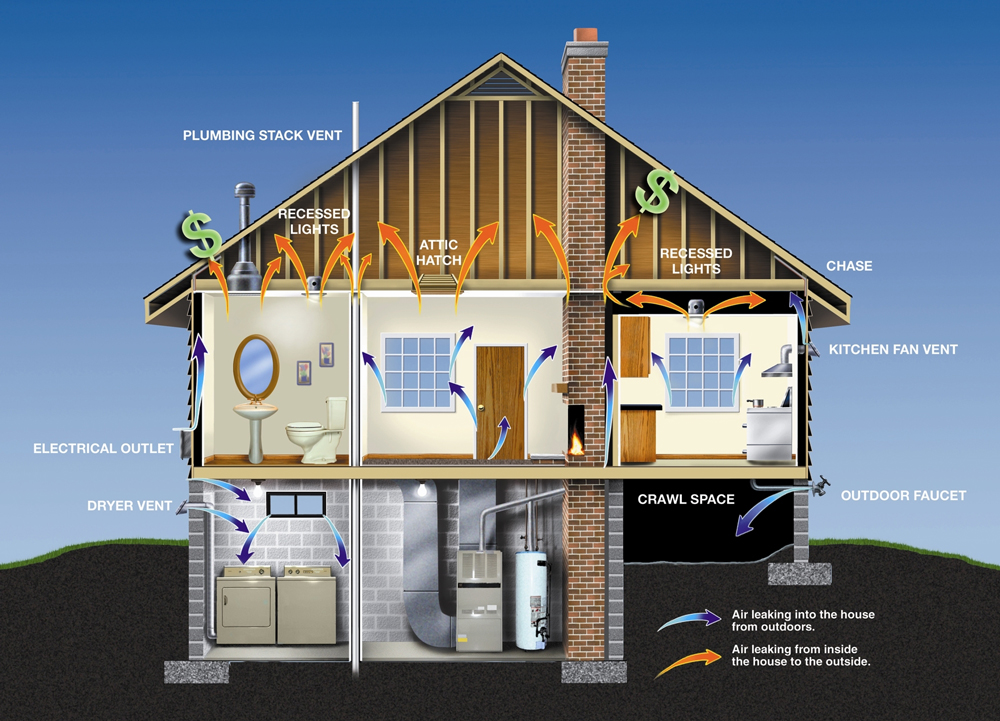
What Is Building Science?
Learn what building science is and how heat, air, and moisture affect home performance, comfort, energy efficiency, and long‑term durability.
What Is Building Science? Read More »

Learn what building science is and how heat, air, and moisture affect home performance, comfort, energy efficiency, and long‑term durability.
What Is Building Science? Read More »

Discover 10 easy ways to save money and energy in your home, from sealing air leaks to improving insulation, upgrading lighting, and maintaining HVAC systems.
10 Easy Ways to Save Money and Energy in Your Home Read More »
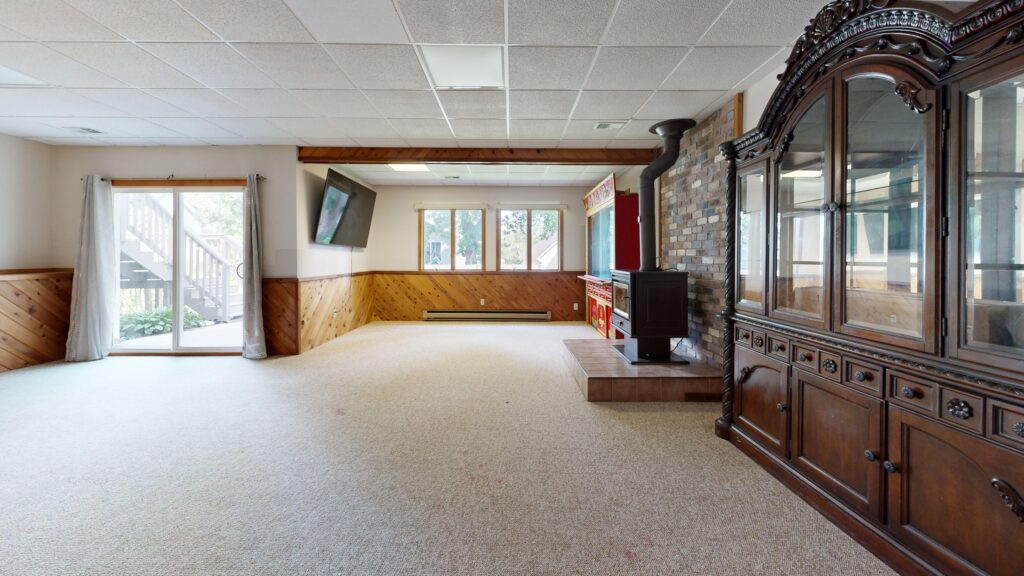
Learn about basement walkouts and what you need to know, including drainage, grading, retaining walls, and maintenance tips to help prevent leaks and water damage.
Basement Walkouts and What You Need to Know Read More »
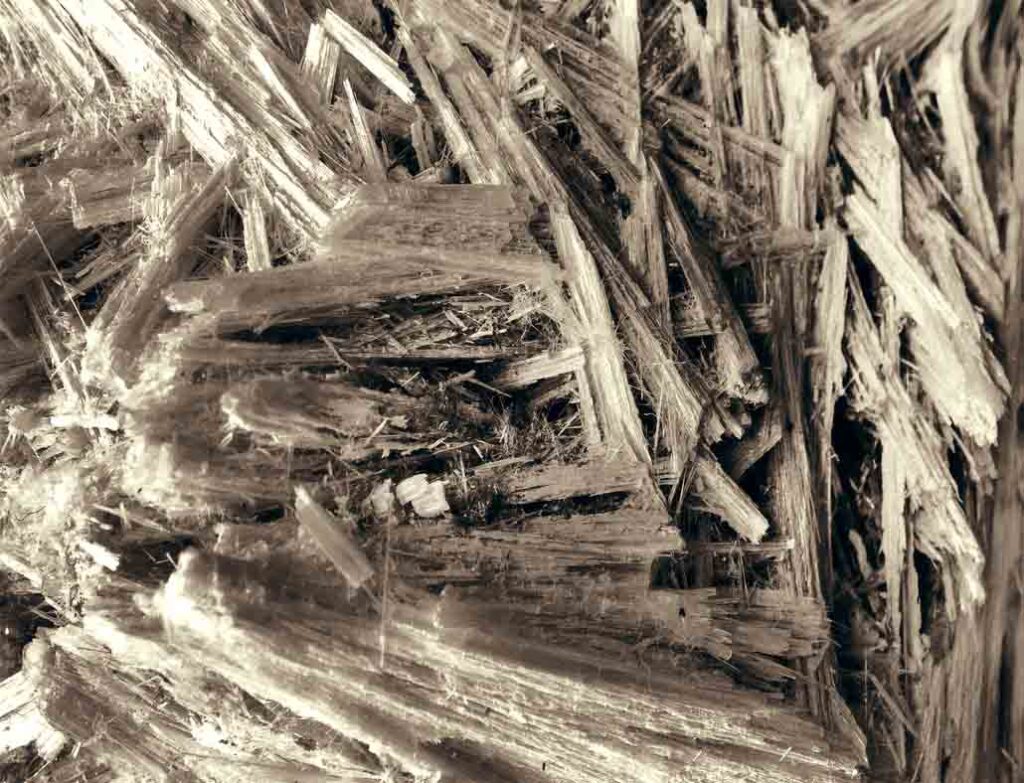
Learn about asbestos and where it may be found in older homes, including insulation, flooring, ceilings, roofing, and other materials, and how to reduce exposure safely.
Asbestos and Where It May Be Found Read More »
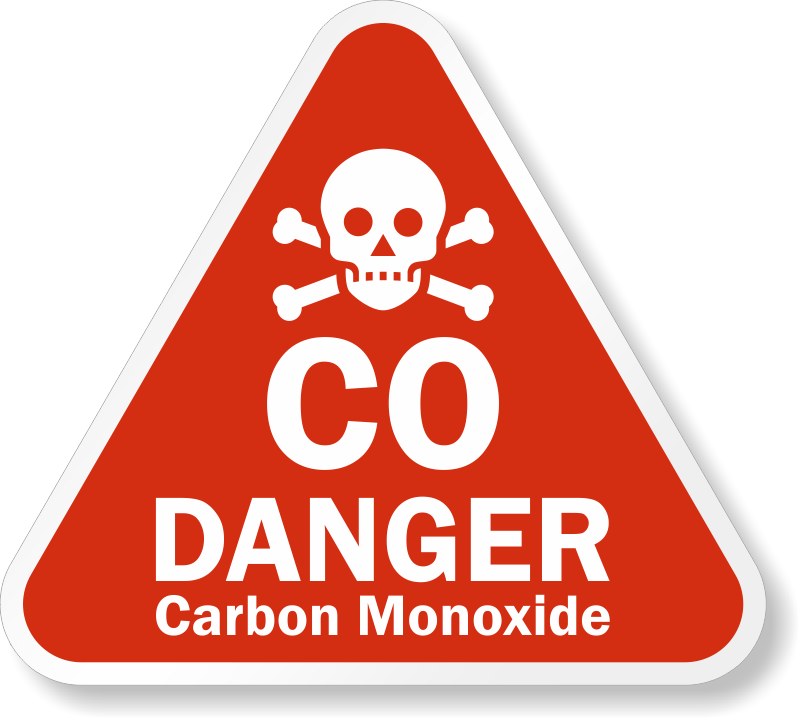
What is carbon monoxide (CO)? Carbon monoxide is a colourless, odorless gas. It is a by-product of incomplete combustion, such as natural gas, liquid fuels, and anything that burns.
Carbon Monoxide (CO) and what it means to you! Read More »
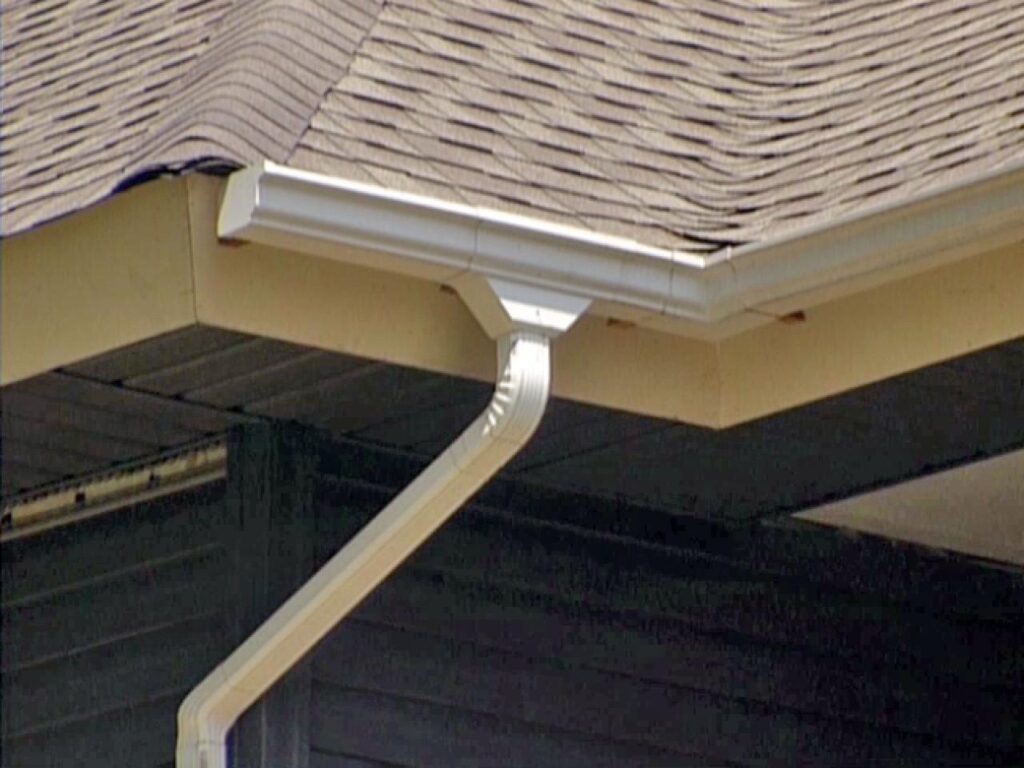
Learn why gutters and downspouts matter, how clogs and poor drainage cause moisture problems, and what maintenance steps help protect your home from water damage.
Gutters and Downspouts: What You Need to Know Read More »
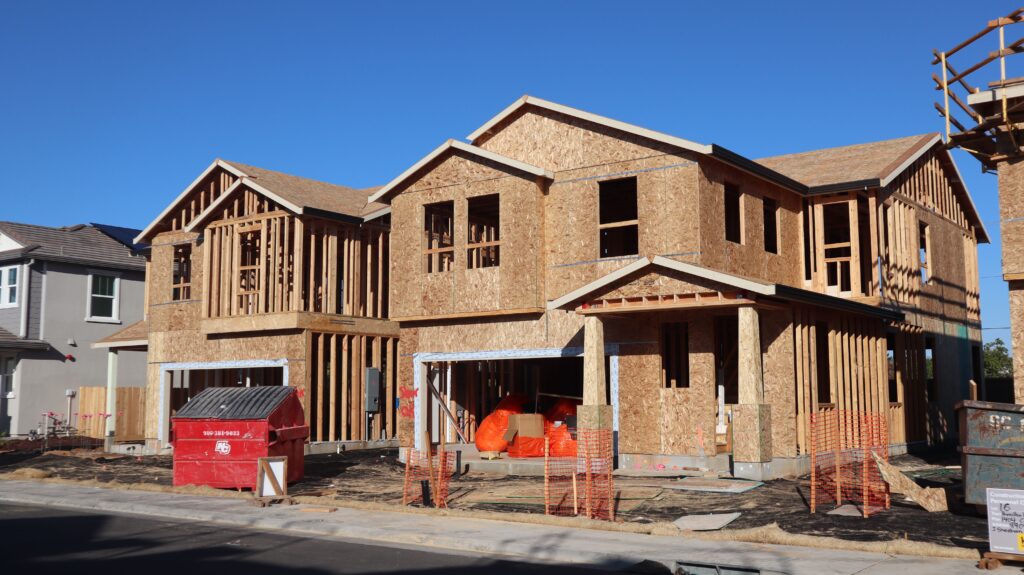
Learn what inspectors look for when inspecting a residential structure, including foundations, framing, roofs, walls, and floors, and how these systems affect safety.
Inspecting a residential structure Read More »
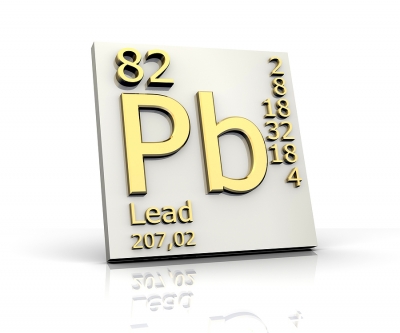
Learn about lead and where it may be lurking in older homes, including paint, dust, soil, plumbing, and imported goods, and how to reduce exposure safely.
Lead and Where It May Be Lurking Read More »
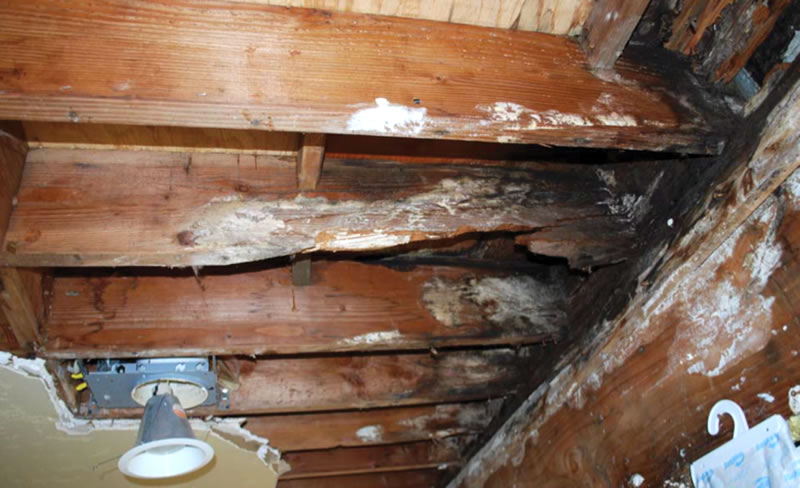
Learn how moisture gets into your home through air currents, diffusion, and heat transfer, and how proper sealing, insulation, and ventilation help prevent intrusion.
How Does Moisture Get Into Your Home? Read More »
Radon gas, what is it? Radon is a gas that occurs naturally in the earth’s crust.It is invisible, it is odourless, and it is tasteless. Radon gas is a product ofthe decay of uranium. When uranium decays, it turns into lead. This is a 14-step process; radon is formed at the sixth step.
Radon, how it could be affecting you right now! Read More »